April 28, 2026

Edited by Shawn Steel

Errant Golf Ball Strikes Patron in Restaurant

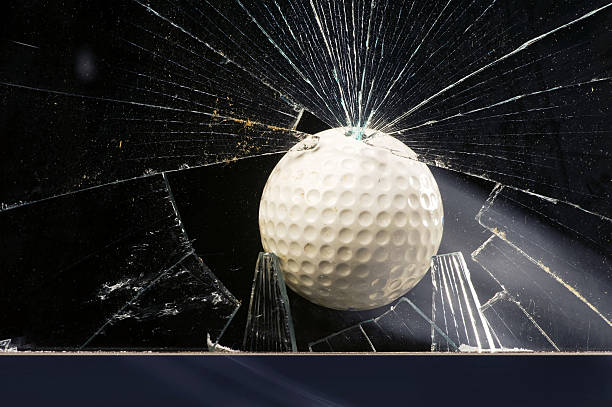
While seated inside the café at Heartwell Golf Course in Long Beach, Plaintiff Thomas was struck by a golf ball propelled by a mower operated and maintained by Defendant American Golf Corp.


The golf ball shattered a window upon impact, sending glass fragments into Thomas’s body and left eye. Defendant admitted liability.


As a result of the incident, Thomas sustained a corneal abrasion with associated nerve irritation, leading to chronic eye pain. He also suffered trigeminal nerve damage, resulting in migraines.


Defendant contended that Thomas exaggerated his injuries, attributing his symptoms to a preexisting dry eye condition treatable with eye drops. The jury rejected this argument.


On March 17, 2026, the jury awarded Thomas $1,400,000 in damages. The case was heard before the Honorable Nicole M. Heeseman in Los Angeles Superior Court: Thomas v. American Golf Corp.

Ep. 57: Avoiding PI Landmines: Lessons from the Field | Staying Aligned: The Steel & Eisner Podcast

⚠️The Billboard Lawyers Menace⚠️

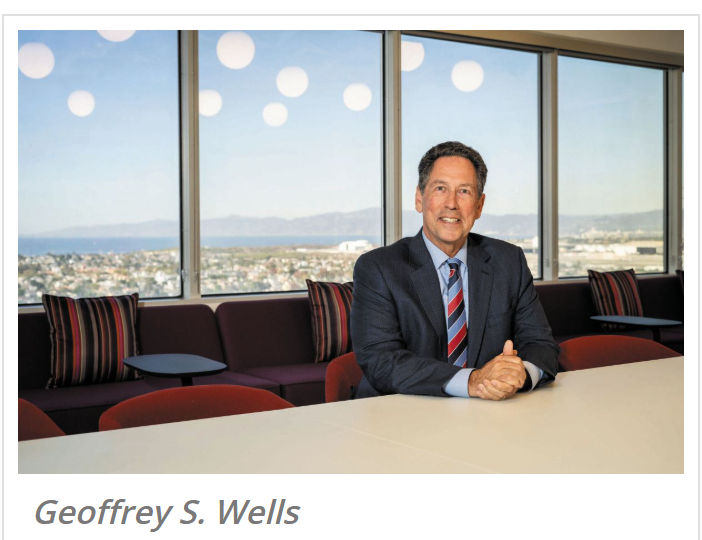
Even within the plaintiffs’ bar, concern is mounting over the rise of mass-advertising “billboard lawyers.” Geoffrey Wells, President of Consumer Attorneys of California, has cautioned that flashy advertising, conspicuous displays of wealth on social media, and excessive self-promotion are undermining public confidence in the profession.


Jurors are inundated with these messages—endless billboards, repetitive television commercials, and constant social media exposure dominated by a small number of firms. The imagery often highlights private jets, luxury vehicles, and extraordinary verdicts. To the average juror, this does not convey justice; it conveys profit-driven motive. And when jurors perceive greed, skepticism follows—not just toward those firms, but toward personal injury claims as a whole.


That skepticism does not remain confined to high-volume advertisers. It extends to traditional trial lawyers who have never engaged in such marketing. As juries grow more cynical, legitimately injured plaintiffs face an uphill battle. Claims deserving of fair consideration are instead filtered through a lens of distrust.

Some suggest that professional peer pressure could curb these excesses. That view is unrealistic. The billboard model is highly profitable, and these operations increasingly resemble marketing enterprises rather than traditional law practices. Cases are often funneled through call centers instead of attorneys, with smaller matters declined and larger claims retained or referred. Meanwhile, medical providers frequently report reduced payments on lien-based treatment, contributing to systemic strain.


Compounding the issue is the growing influence of outside capital. Much of this advertising is financed through sophisticated funding arrangements, sometimes involving large investment entities that share in firm revenues. This raises a fundamental question: who is truly shaping the priorities and strategies of these practices?


Under this model, personal injury law risks losing its foundational purpose. A profession historically centered on individual advocacy begins to take on the characteristics of a scaled corporate enterprise driven by volume and return on investment.


The consequence is clear: when marketing eclipses professionalism, public trust erodes. Personal injury law ceases to feel personal—and instead begins to look corporate.


🚨 Register with the links below!🚨


Juror Cynicism Is Real—So Your Charts Have to Be Cleaner Than Ever

Between “billboard lawyer” fatigue and defense attacks on anything that sounds subjective, the future of PI is credibility warfare. The American Golf case is a perfect example: eye pain, trigeminal nerve irritation, migraines; symptoms the defense loves to dismiss as exaggeration or “pre-existing.” The jury still hit them for $1.4M because the medicine and the story held together. For chiropractors, the takeaway is simple: when symptoms aren’t obvious on an X-ray, your documentation has to be tight. That means objective findings where possible, consistent symptom tracking, clear functional limits, and clean referral pathways. In a cynical jury climate, vague notes don’t just hurt the case, they hand the defense the theme.


Check out our website for helpful articles and resources to help you succeed!

View our past PI Email Alerts to catch up on breaking industry news.

If you missed a recent PI Webinar, listen to our recordings of them.

DOCTOR'S RESOURCES

PERSONAL INJURY ALERTS

PODCAST CHANNEL

It's not too late to grab your copy of our best seller!


The Intelligent Chiropractor's Guide to Survival.


CLICK HERE TO PURCHASE YOUR SURVIVAL GUIDE

CONNECT WITH OUR TEAM


SHAWNSTEEL@STEELEISNER.COM | (949)551-9000


LOS ANGELES, SAN FRANCISCO, ORANGE COUNTY


WWW.STEELEISNER.COM

Facebook  Instagram  LinkedIn  YouTube